RAC Calls for Efficient Driving as Fuel Costs Rocket at UK Forecourts
The RAC has issued a stark warning to UK motorists, urging them to stop two key habits to combat soaring petrol and diesel prices at forecourts across the country. This call comes amid an "unfortunate" trend of rapidly increasing fuel costs, driven by the ongoing crisis in Iran and the Middle East.
Two Critical Habits to Avoid
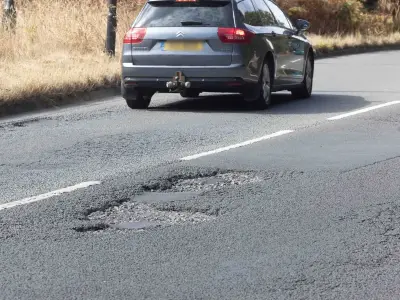
To help drivers "eke out every last mile and save money," the RAC recommends avoiding harsh accelerating and braking, and ensuring tyres are inflated to the correct pressures. These simple adjustments can significantly improve fuel efficiency, providing much-needed relief as prices continue to climb.
Fuel Price Surge Details
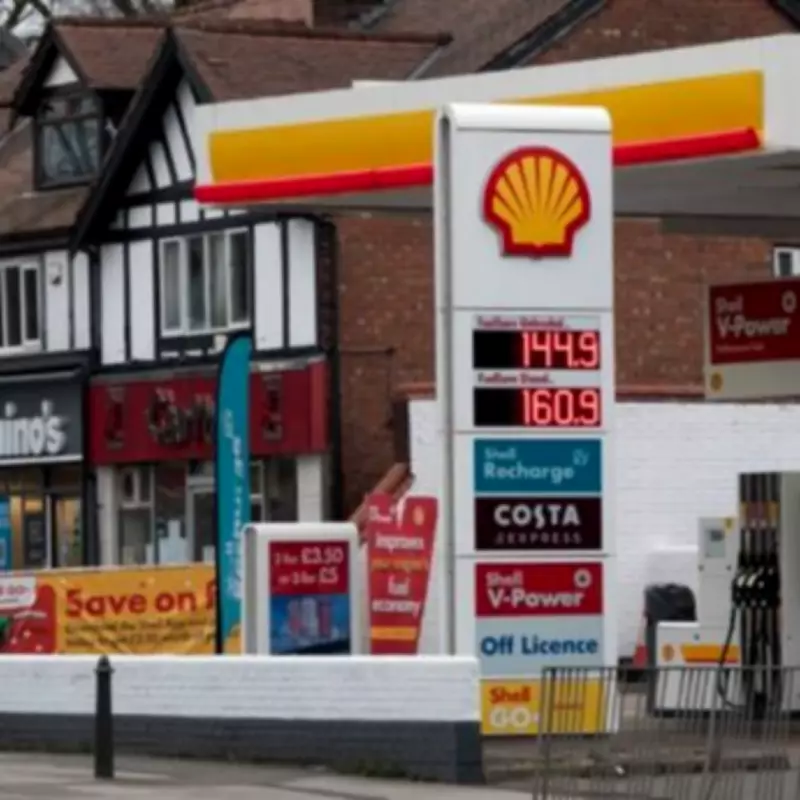
RAC head of policy Simon Williams highlighted the severity of the situation, stating, "Average petrol and diesel prices have rocketed in the last week and are unfortunately likely to keep on rising, so the situation for UK drivers is looking increasingly bleak." Since the crisis began on February 28, petrol has increased by 5p to 137.5p per litre, while diesel has surged by 9p to 151p per litre.
Williams further predicted that unleaded petrol will likely reach an average of 140p per litre in the coming week, with diesel potentially climbing to at least 160p per litre. He noted, "The price of diesel is increasing more quickly now than at any point since the start of the Ukraine conflict."
Potential Future Increases
With oil prices sustaining at $100 per barrel—a level not seen since 2022 due to disruptions in the Strait of Hormuz near Iran—the RAC warned that petrol could rise towards 150p per litre, a price last observed in June 2024. Diesel might reach almost 180p per litre, marking a three-year high.
Practical Advice for Motorists
Despite the grim outlook, the RAC encourages drivers to continue filling up as normal but to shop around for the best prices using tools like the myRAC app, as significant local variations exist between forecourts. This proactive approach can help mitigate the financial impact of the ongoing fuel crisis.