New Proposals Target SUVs with Higher Taxes and Parking Restrictions
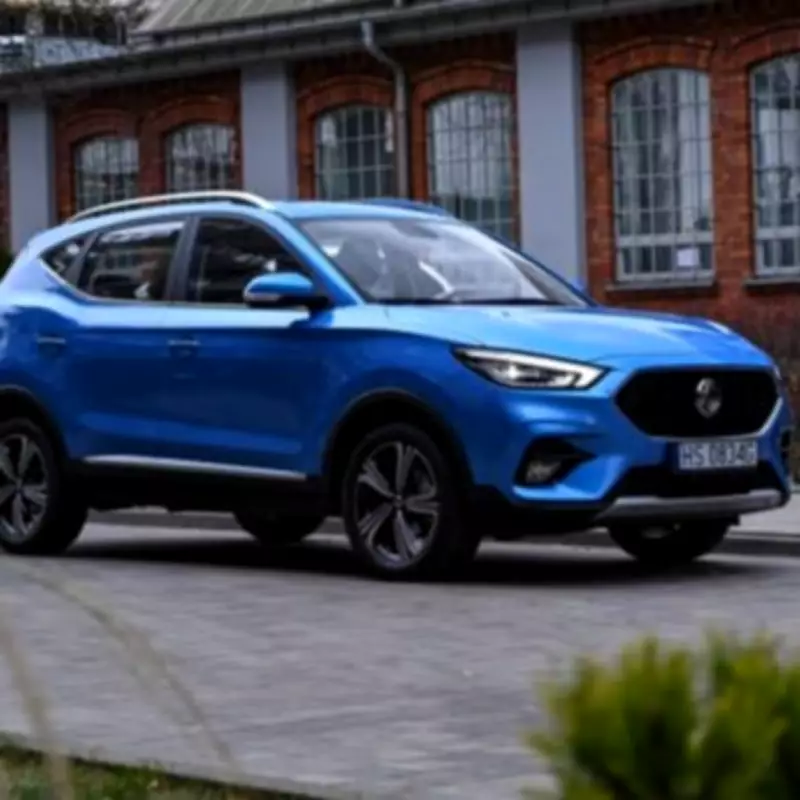
Popular vehicles, particularly SUVs, are being targeted for tax increases and parking restrictions under new proposals gaining traction in the UK. A significant portion of motorists are backing these measures, with one in three supporting tougher restrictions for larger vehicles.
Public Support for Stricter Measures
Recent surveys reveal that 32 per cent of UK motorists support increasing Vehicle Excise Duty specifically for SUVs. Additionally, one in five believe SUVs should be banned from high-footfall areas such as city centres and schools. This growing public sentiment highlights concerns over the increasing size and prevalence of these vehicles on British roads.
Expert Warnings on Vehicle Size
Nicholas Lyes, Policy and Standards Director at IAM RoadSmart, commented on the issue, stating, "Huge cars were once associated with the USA, but car spreading is alive and well in the UK." He noted that many drivers have experienced difficulties fitting vehicles into parking spaces compared to two decades ago and expressed anxiety when encountering large SUVs on narrow country roads.
Lyes warned that despite the growing popularity and dimensions of these cars, "our roads and parking spaces are not significantly wider and something needs to give." He emphasised that while vehicle design plays a role, drivers must also take greater responsibility for spatial awareness and control.
Council Actions and Advocacy
Some local authorities have already begun implementing measures to address the issue. Cardiff Council, for example, has approved additional charges for residential parking permits for vehicles weighing over 2.4 tonnes. Oliver Lord, UK Head of Clean Cities, criticised the trend towards larger vehicles, describing it as "lifestyle over practicality in exchange for parking mayhem and dangerous roads."
Lord urged city leaders to act, questioning the acceptability of vehicles so tall that children cannot be seen from the driver's seat. He called for policies to discourage these "menacing vehicles" from urban streets.
Proposed Solutions and Future Directions
In response to the ongoing demand for bigger cars, experts suggest a multi-faceted approach. Lyes advocated for improvements in vehicle design, including mandating bumpers and hoods made from materials that reduce injury severity and implementing pedestrian automatic emergency braking systems. He also proposed exploring external airbags to mitigate the risks associated with vehicle size and weight.
While cities may opt for financial disincentives such as charges or increased parking fees, Lyes believes that safer vehicle design and enhanced driver education can make the most significant difference in improving road safety and urban livability.