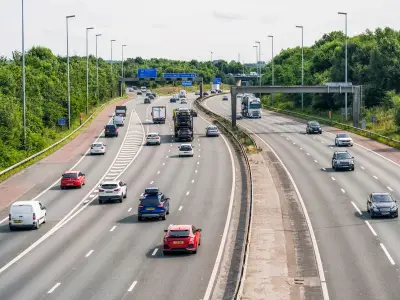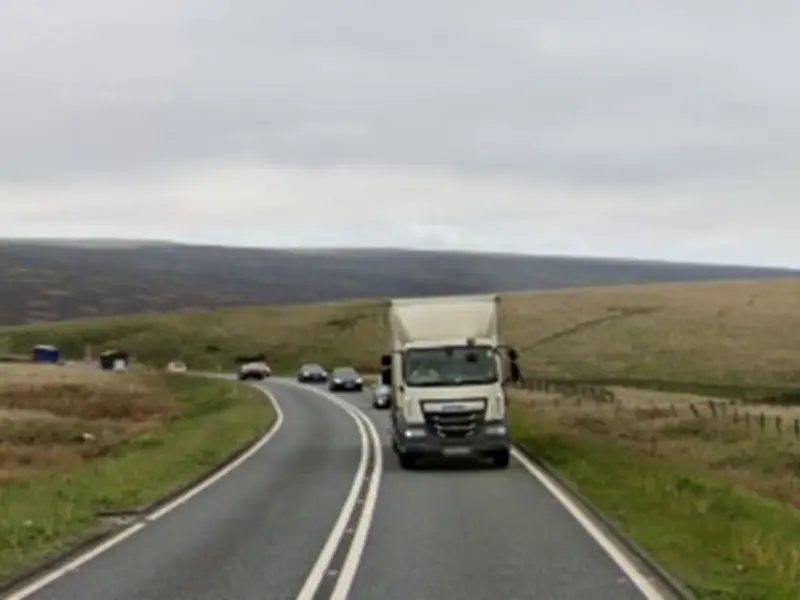
A 14-mile tunnel beneath the Peak District mountains could cut journey times between Manchester and Sheffield by 30 minutes, according to an ambitious proposal from infrastructure group Future Works. The scheme, named 'Trans-Pennine Connect', envisions a Norway-inspired dual carriageway that would remove traffic from the national park and send it underground, while also restoring the Woodhead railway line between the two major northern cities.
Project Details and Benefits
The Woodhead line closed to the public in the 1970s and entirely in 1981. By putting traffic underground, project backers say they can hand the Peak District landscape back to nature, boost regional productivity, and inject millions into the local economy. The construction of the Mottram bypass is currently ongoing, and Trans-Pennine Connect would link to this scheme, taking traffic through the tunnel towards Sheffield.
Cost and Funding
Fresh plans come years after the government shelved a similar scheme estimated at £10.6bn. Future Works believes the project can be delivered for just under £2bn using Norwegian drill-and-blast methods, which replace giant tunnel-boring machines with traditional mining techniques. Co-founder Michael Dnes, a former Department for Transport official, said he felt guilt about the scheme never getting off the ground during his time at the DfT and sought a cheaper way after leaving in 2024.
A spokesperson for Future Works said: "High demand for the route means that the project could pay for itself, without the need for Westminster funding. Scandinavian tunnels are often owned by local councils, who recover the costs through tolls. Equally, northern pension funds have hundreds of billions in investment capital that could be mobilised to build the project."
Engineering Approach
Future Works looked to Norway, which built the world's longest road tunnel, the 24.5km Lærdal tunnel, for around £130 million. The drill-and-blast method relies on the natural strength of the rock and small expert crews. Although it would not work in many areas of the UK, the geology of the Pennines—similar to Norwegian mountains—makes it feasible.
Timeline and Next Steps
Future Works was set up by infrastructure experts Michael Dnes and Alex Griffiths, with combined expertise in more than £100bn of infrastructure projects. They aim to create a shovel-ready scheme and bring it through the planning system faster than the 10-plus-year processes typical in UK planning. Work could begin before the end of the decade, with the road and railway open in the mid-2030s. The next stage is to generate funding to get the project started.