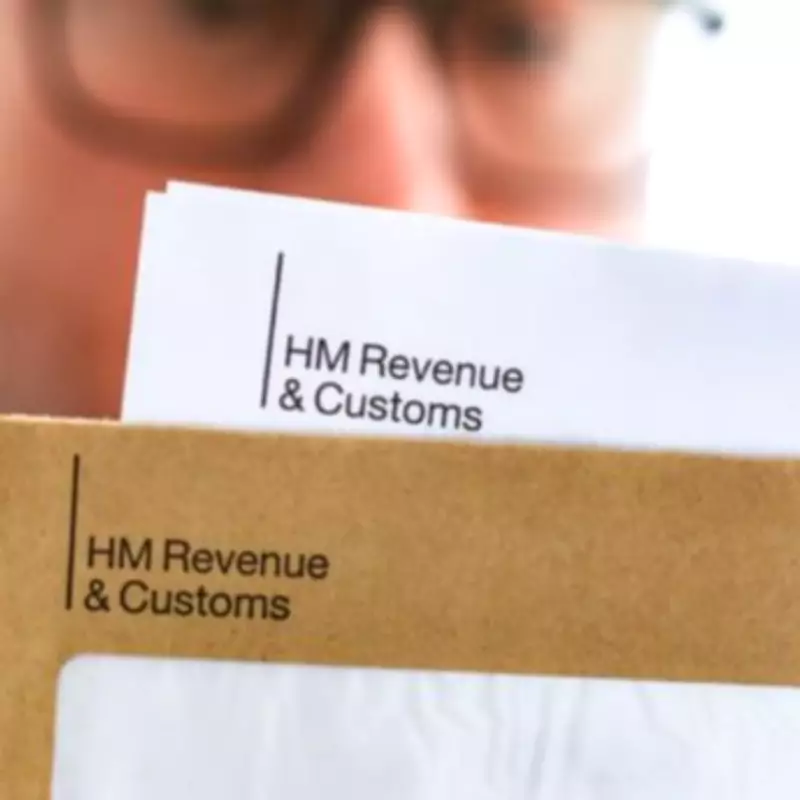
HMRC Implements Tax Code Changes for Savers Nationwide
HM Revenue and Customs (HMRC) is actively adjusting tax codes for individuals who have earned savings interest above their Personal Savings Allowance. This strategic move ensures that the appropriate tax is collected efficiently through the Pay As You Earn (PAYE) system, streamlining the process for both taxpayers and the government.
How the New Tax Code Adjustments Work
HMRC utilizes data from the previous tax year, provided by banks and building societies, to estimate the current year's interest earnings. Based on these estimates, HMRC may incorporate an amount representing untaxed savings interest into your tax code. This adjustment allows PAYE to collect the expected tax gradually throughout the year, spreading the financial impact.
If your savings interest falls below your Personal Savings Allowance, no changes will be made to your tax code. However, if it exceeds this threshold, you will notice an adjustment reflected in your code and on your official coding notice, known as P2. HMRC has detailed this procedure in its official guidance to ensure transparency and understanding.

Impact of Rising Interest Rates on Savers
With interest rates on the rise, an increasing number of savers are surpassing their Personal Savings Allowance. Recent reports, including coverage by the BBC, indicate that more than one million savers could experience these tax code modifications as HMRC seeks to collect tax on interest via PAYE.
HMRC's own data reveals a significant volume of tax code adjustments linked to savings, highlighting that coding through PAYE has become a standard practice for many individuals. This trend underscores the growing relevance of these changes in the current economic climate.
Steps for Savers to Manage Their Tax Estimates
Financial institutions report your interest earnings after the conclusion of the tax year. HMRC then uses this information to project the upcoming year's interest and updates your tax code accordingly. Upon receiving your P2 coding notice, it is crucial to review the estimate provided.
You can access and correct this estimate through your Personal Tax Account if your savings situation has changed materially. This proactive approach helps prevent overpayment or underpayment of taxes, ensuring accuracy in your financial obligations.
What Types of Savings Are Affected?
If your combined taxable interest from non-ISA accounts exceeds your allowance, HMRC may adjust your tax code to account for it. This includes interest from various sources such as current accounts, regular savings accounts, and fixed-term deposits. It is important to note that Cash ISAs remain tax-free and are not subject to these adjustments.
Additionally, individuals with modest earnings may benefit from the starting rate for savings, which can reduce or eliminate tax on savings interest, providing some relief for those on lower incomes.
By understanding these changes and actively managing your tax estimates, you can navigate HMRC's updated procedures effectively and avoid potential financial discrepancies.