Northumberland National Park Crowned UK's Premier Stargazing Destination
If you have ever gazed up at the night sky from your backyard and pondered the disappearance of the stars, you are certainly not alone. Light pollution has engulfed much of Britain's celestial canvas, leaving urban residents fortunate to glimpse a few constellations on a clear evening. This growing fascination among Britons has not gone unnoticed, as SEO experts at AI SEO analyzed Google search trends, revealing a staggering 380 percent increase in searches for "stargazing events near me" compared to last month. This surge indicates that "astro-tourism" is becoming a significant driver in the UK staycation market, with families increasingly opting for remote 'Dark Sky' destinations over traditional city breaks.
A Hidden Gem in England's Corner
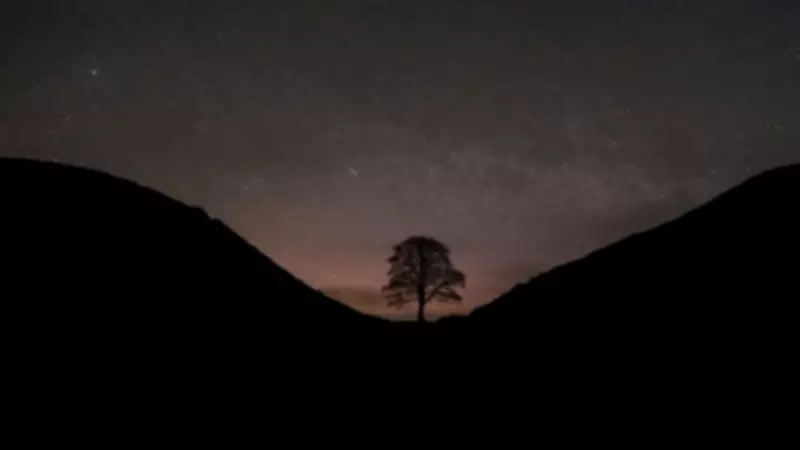
Nestled in one corner of England lies a place where the Milky Way still arches overhead like a pale ribbon, where over 2,000 stars can be counted without binoculars, and where, on favorable nights, the Northern Lights occasionally make a breathtaking appearance. This is not some distant locale requiring a passport; it is right here in the UK and has just been named the country's number one stargazing spot.
The location is Northumberland National Park and the adjacent Kielder Water and Forest Park, which together hold Gold Tier status as an International Dark Sky Park—one of only a handful worldwide. A recent nationwide analysis evaluated stargazing destinations across Britain based on three key criteria: viewing locations, organized astronomy events, and stargazing-friendly accommodations. Northumberland emerged at the top, boasting 20 observation points and 19 annual stargazing events highlighted in the study.
What Defines a Dark Sky Park?
A Dark Sky Park is a protected area where lighting is rigorously controlled to maintain genuinely dark nights. Officially, these parks feature a "core" zone that meets stringent sky-quality standards, along with a buffer zone designed to prevent light spill from nearby towns from spoiling the view. The UK now hosts seven International Dark Sky Reserves, with parks, communities, and islands all certified under the same global scheme. As light pollution encroaches further into the countryside, these safeguarded pockets of darkness are becoming increasingly rare—and increasingly popular.
The dark-sky area spans approximately 572 square miles, with 96 percent experiencing very low light pollution. On a clear, moonless night, park guides note that you can spot Andromeda—our nearest galactic neighbor, located about 2.5 million light-years away—using nothing but your naked eyes.
March 2026 Stargazing Events in Northumberland
For those eager to explore the spring skies, Northumberland offers a packed schedule of events this month:
- Friday, March 6, 13, 20, 27: "Stargazing in Kielder Forest" evenings at Stonehaugh Stargazing Pavilion & Observatory
- Saturday, March 7: Dark Skies Run at Kielder—a night-time running event under the stars
- Saturday, March 7: Night-time Navigation at Walltown
- Saturday, March 14: "Northumberland dark skies" event at Hauxley Wildlife Discovery Centre
- Wednesday, March 18 - Monday, March 23: Kielder Forest Star Camp (Spring 2026)
- Monday, March 23: "Our Celestial Neighbourhood" at Kielder Observatory
The observatory hosts events year-round, with astronomers available to guide visitors through the constellations. Spring sessions are especially popular, offering dark enough skies for excellent viewing without the harsh cold of deep winter.
Accessibility and Location
Reaching Northumberland National Park is straightforward from Newcastle or Carlisle, though the final stretch into the forest is intentionally remote—a feature that enhances the stargazing experience. This seclusion is part of the appeal, ensuring minimal light interference for optimal celestial observation.