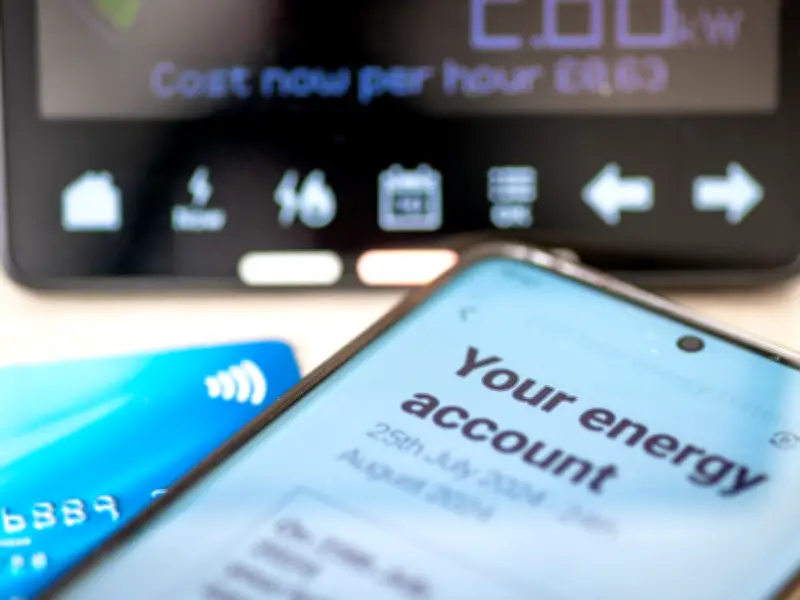
Households across the UK are bracing for another potential increase in energy bills this October, following a confirmed 13% rise in July. The conflict in the Middle East, particularly the closure of the Strait of Hormuz, has driven oil and gas prices sharply higher, raising fears that the cost of energy could climb further later this year.
How much are energy bills going up in July?
Energy bills for typical dual-fuel households in the UK are rising by 13% from July 1, 2026. The industry regulator, Ofgem, confirmed the Energy Price Cap will increase from the current £1,641 a year to £1,862 a year for a typical household paying by direct debit. This means the average household will pay approximately £221 more per year, or around £18 more per month, compared to the spring quarter.
Will prices rise again in October?
Yes, there is a strong possibility that energy bills will rise again in October 2026, though it is not yet officially confirmed. Analysts are currently forecasting that prices may increase by a further 2% to 4.5% in October. Ofgem calculates the price cap for the October–December period based on wholesale energy costs between May 19 and August 18, 2026. Because this assessment period is still ongoing, the final figure won't be officially announced until late August.

What can you do about the price rises?
Since these caps only apply to households on a Standard Variable Tariff (SVT)—which is the "default" rate most people are on—you may have options to protect yourself:

- Check for Fixed Tariffs: Now that prices are trending upward again, some suppliers may offer fixed-rate tariffs that could lock in your current rate for 12 or 24 months. You can compare these against current forecasts to see if it makes financial sense for your household.
- Monitor Your Usage: Because the price cap sets the rate per unit and the standing charge—not your total bill—the most effective way to keep costs down is to monitor your consumption as we head toward the winter months.
- Check for Support: If you are worried about affordability, contact your energy supplier early. They are required by Ofgem to provide support, such as payment plans, emergency credit, or information on government schemes you might be eligible for.