
Bee Expert Reveals How to Turn Your Garden into a Buzzing Sanctuary
Biologist and bee specialist Dr Rosa Vásquez Espinoza has unveiled her top strategies for transforming gardens into thriving havens for pollinators, with a key recommendation to keep weeds like dandelions. Speaking in Manchester, where she contributed to a large-scale bee-friendly flowerbed at Heaton Park, she emphasised that wildflowers and untamed areas are crucial for bee survival.
Essential Tips for a Bee-Friendly Outdoor Space
Dr Espinoza advises letting gardens grow wilder to instantly benefit bees, as this provides diverse foraging and nesting opportunities. She highlights the importance of selecting plants that bloom from early spring to late autumn, ensuring a continuous food supply throughout the year.
Simple steps include:
- Leaving parts of the garden uncovered rather than paved, as many bee species nest in exposed soil.
- Placing shallow bowls filled with rocks and water to offer hydration spots for bees.
- Avoiding chemicals such as fertilisers and pesticides, which can harm or confuse bees.
National Geographic Study Insights
To complement this expert advice, National Geographic commissioned a survey of 2,000 adults with gardens. The findings reveal that 32% prioritise low-maintenance outdoor spaces, while only 17% focus on making them wildlife-friendly. However, there is a growing appetite for change:
- 65% plant flowers that bloom at different times of the year.
- 46% grow flowering herbs to support pollinators.
- 52% would consider planting more nectar-rich flowers.
- 36% are open to reducing pesticide use.
Despite these efforts, just 13% have installed bee hotels, and 32% admit they only do a few things to help, citing it as a low priority. Dr Espinoza notes, "What this research shows is that while people care about bees, there is often a gap between intention and action."
Heaton Park Installation and Broader Impact
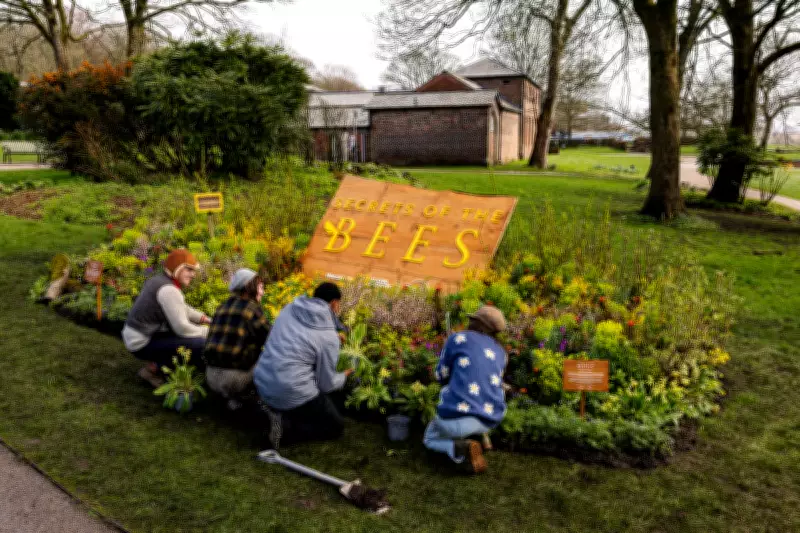
The bee-friendly flowerbed at Heaton Park, one of the UK's largest public parks, serves as a vital refuge for pollinators, especially in spring when queen bees emerge seeking food and nesting sites. Designed to provide food, water, and safe spots, it features 13 varieties of bee-friendly plants like Primroses and Lungwort.
This installation marks the launch of Secrets of the Bees, a new two-part series premiering on National Geographic WILD and Disney+. Dr Espinoza adds, "Even small changes – like planting nectar-rich flowers or reducing chemical use – can make a real and immediate difference." The project aims to inspire Brits to adopt similar practices at home, protecting species essential for ecosystems and food systems.