
The Critical Late Winter Pruning Window for Garden Success
As winter's dormancy gradually yields to milder temperatures, gardeners face a brief but essential timeframe for pruning late-summer flowering shrubs and fruit bushes. Horticultural specialists emphasize that late February through early March represents the optimal period while plants remain dormant.
"Once buds begin swelling and new growth becomes visible, you've largely missed your opportunity for proper structural pruning," explains Ali Lijee, founder of TreeMend. "Delaying this task risks cutting off this year's flowers or significantly weakening the plant's overall health."
Beyond Roses: Overlooked Plants That Need Attention
While roses typically dominate February pruning discussions, numerous other plants equally depend on timely intervention. "People focus heavily on roses during February, which is excellent practice," says Lijee. "However, buddleia, certain hydrangea varieties, and soft fruits including gooseberries and currants frequently get neglected. These plants benefit tremendously from a late winter tidy-up."
The timing significance stems from plant physiology during dormancy. "When plants remain dormant, they experience substantially less stress," notes horticultural writer Neil Shaw. "Pruning during this period encourages robust, healthy new shoots once temperatures increase. Waiting until plants already channel energy into new growth essentially wastes that energy and sets back development."
Specific Pruning Techniques for Key Plants
Buddleia: The Butterfly Bush
Buddleia, commonly called butterfly bush, requires aggressive cutting back during this period. "Buddleia flowers exclusively on new wood," explains Lijee. "This means summer blooms develop on shoots produced during the current growing season."
He recommends pruning last year's growth to approximately 30-60 centimeters above ground level, adjusting based on plant size and vigor. "The approach might appear drastic," Lijee acknowledges, "but buddleia responds exceptionally well to strong pruning. Left unattended, plants become tall, woody, and sparse at their base, producing fewer flowers at eye level."
Hydrangeas: Understanding Varietal Differences
Hydrangeas present common pruning challenges, making varietal identification crucial. "This represents one of the most frequent pruning mistakes I encounter," says Lijee.
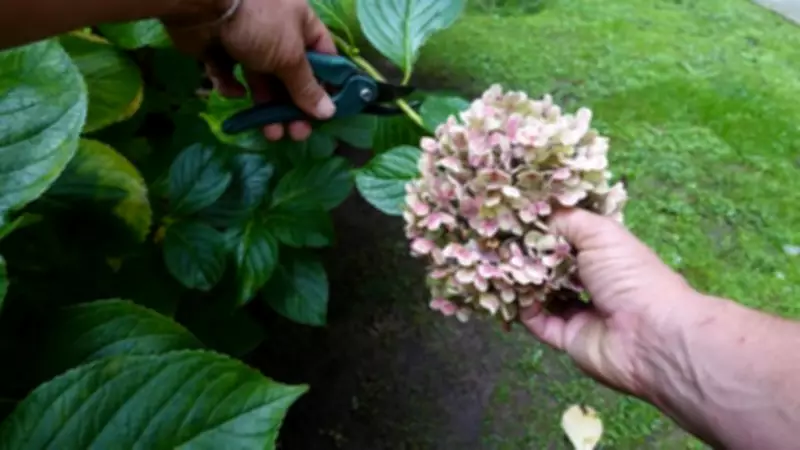
Hydrangea paniculata and hydrangea arborescens flower on new growth, allowing current pruning without sacrificing blooms. These should be cut back to healthy bud pairs lower on stems to stimulate vigorous fresh growth.
"However, hydrangea macrophylla, the classic mophead variety, flowers on old wood," Lijee clarifies. "Aggressive pruning now could eliminate this year's flower buds. For these plants, only remove dead or damaged stems at this stage."
Fruit Bushes: Maximizing Harvest Potential
Fruit growers possess equal opportunity for improvement through timely action. "Gooseberries and currants require pruning during late winter while still dormant," advises Lijee. "Delaying until sap rises stresses plants and reduces cropping potential."
When pruning gooseberries, aim for an open, goblet-shaped structure. "Adequate airflow through the center proves essential," says Lijee. "Remove crossing branches and low stems that might drag fruit onto soil. This approach minimizes disease risk and simplifies harvesting."
Blackcurrants demand slightly different techniques. "Blackcurrants produce best fruit on younger wood," he explains. "Annually remove some oldest stems completely to ground level. This encourages fresh shoots that will bear premium fruit."
Meanwhile, red and white currants benefit from side-shoot trimming and maintaining structured frameworks. "Each fruit bush possesses unique pruning requirements," Lijee summarizes. "The unifying principle remains timing. Late winter enables proper shaping without disrupting active growth."
The Underlying Benefits of Proper Pruning
Many gardeners overlook pruning during this seemingly subdued period, yet beneath the surface, plants prepare for explosive growth. "Well-timed pruning channels energy into appropriate areas," emphasizes Lijee.
"Opening up shrubs improves light penetration and air circulation," he continues. "This reduces fungal disease risks, particularly problematic in Britain's damp climate. It also prevents overcrowding that can drain plant vitality."
Properly executed late winter pruning ultimately delivers multiple advantages:
- Enhanced summer floral displays
- Increased fruit harvests
- Reduced disease susceptibility
- Improved plant structure and longevity
- More manageable garden maintenance
As gardens transition from winter stillness to spring vitality, strategic pruning during this narrow window establishes foundations for months of gardening success. The difference between neglected and properly pruned plants becomes strikingly apparent by midsummer, making these late winter efforts profoundly worthwhile.