Manchester Gardens Buzzing with Early Spring Bumblebees and Pollinators
As the mild winter recedes, the first signs of spring are emerging in gardens across Manchester. Large queen bumblebees are now visible, diligently feeding on early nectar and pollen from primroses and other spring blooms. These solitary survivors of their colonies are a welcome sight, heralding the busy season ahead for local pollinators.
Creating a Haven for Pollinators
Transforming your garden into a buzzing sanctuary requires thoughtful planning. Establishing scruffy woodpiles in quiet corners provides essential overwintering sites for insects. Ensuring a succession of flowering plants, from early spring varieties to summer blooms, maintains a continuous food source. Your garden can become a nectar café, stocked with pollinator favourites like lavender and cosmos, offering sustenance throughout the growing season.
The Lifecycle of Bumblebees
The large queen bees currently foraging will soon vanish to establish new nests, typically in ground holes or, for species like the tree bumblebee, in birdboxes. They will be succeeded by the more numerous worker bees and drones. The drones, humorously dubbed nookie bees, have the singular purpose of mating with the queen to ensure the colony's future.

A Diversity of Garden Visitors
Manchester gardens can host an astonishing array of insects:
- More than 20 species of bumblebee
- Hundreds of varieties of wasps, bees, and hoverflies
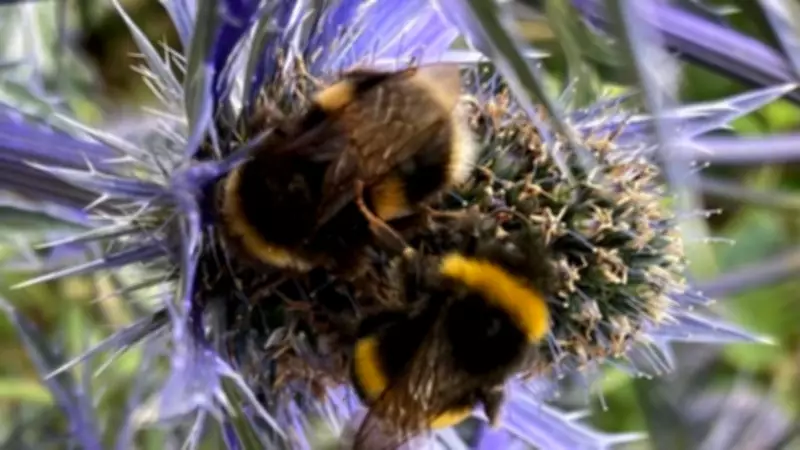
This diversity creates a vibrant hum and a spectacle of colour. Common sightings include the white-tailed and buff-tailed bumblebees, distinguishable by subtle differences in their tail colour and stripe hue. The smaller early bumblebee, with its distinctive yellow-headed males, is also a springtime regular.
Notable Species in the Region
The tree bumblebee, a relative newcomer first spotted in the UK in 2000, is now a familiar garden visitor. Easily identified by its orange thorax, black body, and white tail, it often nests in birdboxes. In areas like Salford, the striking red-tailed bumblebee, with its vivid red abdomen, is a frequent and delightful sight on flowering plants.
Safety and Enjoyment in Your Garden
While some individuals may have concerns about stings, these insects are generally harmless when left undisturbed. You can safely enjoy your garden, spending hours observing bumblebees as they navigate flowers like foxgloves. Their presence is a sign of a healthy, thriving ecosystem.
Supporting Local Wildlife
Enhancing your garden with pollinator-friendly plants and water features not only attracts bees but also supports birds and other mammals. Documenting these visitors by sharing photos on social media helps monitor the health of Manchester's urban nature. The first sighting of a queen bee is a moment of joy, promising sunny days filled with the lively buzz of a garden in full swing.
By fostering these environments, residents contribute to the conservation efforts championed by organizations like The Wildlife Trust for Lancashire, Manchester and North Merseyside. Their work underscores the importance of local action in supporting biodiversity.