Crossbills: Sefton Coast's Spring Spectacle
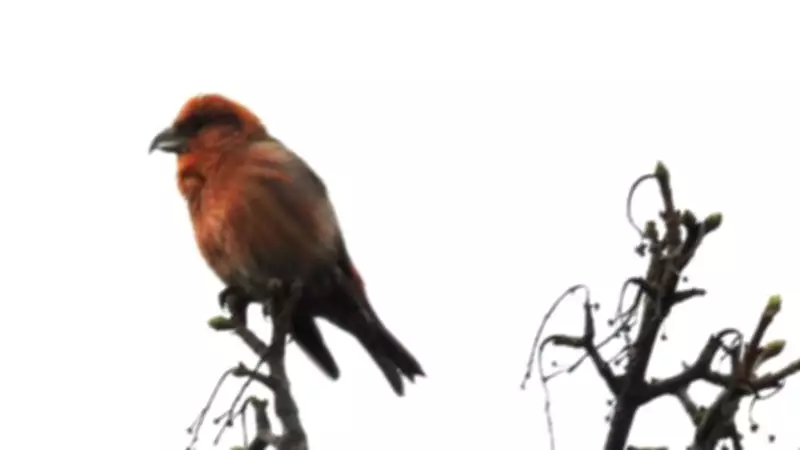
As spring unfolds across the Sefton Coast, it's an ideal time to seek out some of the area's most prized visitors, including the colorful Crossbill. While Natterjack Toads, Sand Lizards, and Northern Dune Tiger Beetles often steal attention, these finches offer a unique birdwatching opportunity. Crossbills are large, brightly colored birds with distinctive crossed mandibles, adapted like pliers for extracting seeds from pine cones. Males display a bright red plumage, while females show a mix of grey, green, and yellow, giving them a parrot-like appearance. They are highly nomadic, making their spring presence on the coast a special event.
Where to Find Crossbills on the Sefton Coast
Crossbills are easiest to spot along the Sefton Coast during spring due to their predictable habits. Their insatiable search for pine seeds and thirst for water after consuming resinous seeds makes them frequent certain areas. Listen for their loud, distinctive "chip chip" call and watch for their deeply forked tails in flight. With practice, birdwatchers can locate them in favored spots early in the season.
- Ainsdale National Nature Reserve: Hosts numbers of Crossbills throughout winter and into spring, though they can be hard to observe as they feed high in mature pine canopies. Many older trees here no longer produce pine cones, so the birds roam the large site for food. Winter clearance work is creating open areas and encouraging younger trees to grow, which will provide fresher pine cones for Crossbills and other species. The best tactic is to walk the Woodland Path between Ainsdale and Freshfield, parallel to the Merseyrail line, and listen for calls.
- Freshfield Dune Heath: Managed by the Lancashire Wildlife Trust, this site at Freshfield also attracts Crossbills, offering additional viewing opportunities.
- Birkdale Local Nature Reserve: A more reliable spot, accessible from the entrance beside Royal Birkdale Golf Club. Crossbills here often perch high in trees before reaching Green Sefton's fenced grazing enclosures, alternating between feeding and finding water sources.
Breeding Habits and Viewing Tips
Crossbills are among the earliest breeders in the country, with birds in Scotland's Caledonian pine forests brooding young in harsh winter conditions. On the Sefton Coast, they tend to breed in spring and early summer, so observers should be mindful during searches. For successful encounters, move quietly and maintain a reasonable distance. The goal is to leave the birds undisturbed, sitting on the same high branch as when first spotted. Respect these special "mini-parrots" to ensure they thrive in their coastal habitat.

Spring on the Sefton Coast offers a chance to appreciate not only Crossbills but also the unfolding natural beauty. Whether exploring dunes or listening for calls, this season brings unique wildlife moments to cherish.