Sefton Coast's Fragile Ecosystem Confronts Climate and Human Pressures
As spring unfolds, the Sefton Coast reveals the profound effects of environmental factors shaping its remarkable landscape. A changing climate, erosion, accretion, water table fluctuations, and tidal cycles all converge on this coastline, often predictably but sometimes with unexpected twists. The emergence and success of various species this season reflect how these processes mold the dunes and how winter management efforts—from conservation grazing to large-scale scrub clearance—can bolster their resilience.
Water Woes: From Rainfall to Evapotranspiration
A winter with reasonable rainfall initially bodes well for Natterjack Toads, with many slacks and pools adequately replenished, a stark contrast to the drought conditions of 2025 that began manifesting early in spring. However, appearances can be deceiving. Water levels start to decline with the first bouts of sunshine and coastal winds, a process known as evapotranspiration, which becomes evident as early as late February and grows more pronounced each year due to climate shifts.
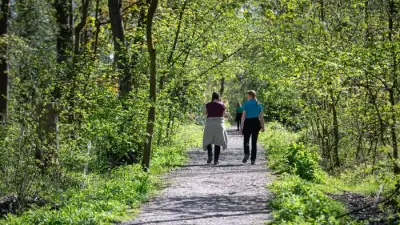
This means that despite a wet winter, the slacks and pools may not retain sufficient water to support the breeding and metamorphosis of amphibians like Natterjack Toads and the invertebrates they depend on for food. The situation is exacerbated by increasing visitor pressure on the dune system annually, leading to habitat damage and disturbance from litter, heightened dog fouling, and foot traffic.

Threats to Pioneer Species and Conservation Efforts
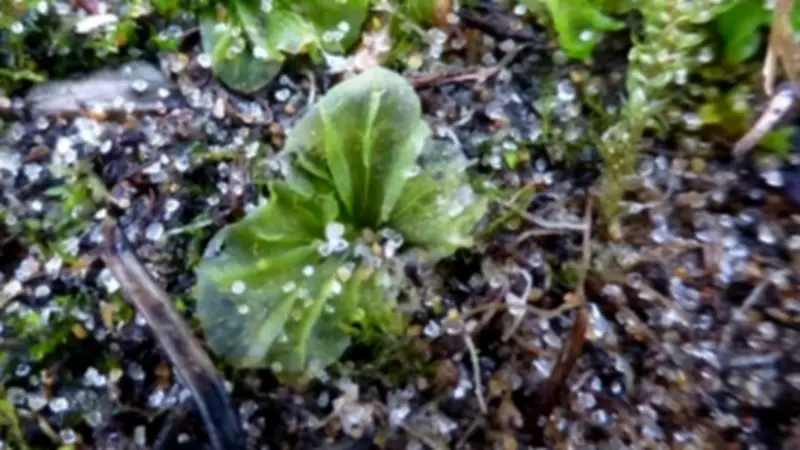
The long-term outlook for pioneer species, such as Natterjack Toads, which exist on the edge of their ranges, appears challenging. Everyone can contribute to their survival by keeping dogs under control and away from all dune pools, significantly improving the chances of a successful breeding season in 2026, regardless of water table levels. It is not just the iconic toads that struggle in this changing world; last year's drought was devastating for Petalwort, a tiny non-vascular plant that serves as a key indicator of dune health, with no records in 2025.
Will this year's wetter winter lead to a recovery, or have we lost one of the coast's most critical species? Fortunately, conservation work by Green Sefton staff and the dedicated volunteer Buckthorn Bashers, who recently completed another winter season removing invasive Sea Buckthorn from the dunes, aims to help. By clearing scrub vegetation in favored areas, they create a more suitable habitat for Petalwort and other species, potentially aided by the winter rainfall.
Community Engagement and Future Outlook
For those interested in learning more, Green Sefton community ranger Jordan Scott organizes regular Petalwort Safaris, guiding visitors through prime areas on the Ainsdale Local Nature Reserve, where there is much to observe beyond just this enigmatic plant. These initiatives highlight the ongoing efforts to balance human enjoyment with ecological preservation on the Sefton Coast.
The interplay of natural processes and human activities continues to shape this unique coastline, underscoring the need for vigilant conservation and public cooperation to ensure its vitality for generations to come.