A state-of-the-art energy centre has arrived at Bristol Airport under a police escort. The £10m centre is part of the transport hub's plans to reduce its carbon footprint as it targets net-zero operations by 2030.
Low-Carbon Heating and Cooling
It will produce, store and distribute low-carbon thermal energy to heat the main terminal buildings and terminal extensions in the winter, while cooling them in the summer months.
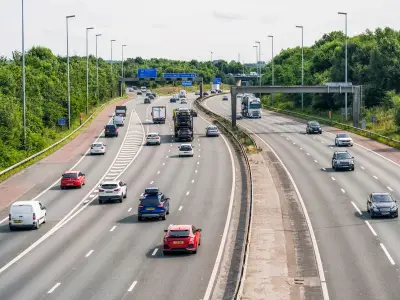
The centre, which weighs 17 tonnes, was built at an off-site manufacturing facility before being transported to the airport in modules on a low loader travelling via the M5.
Modular Construction and Installation
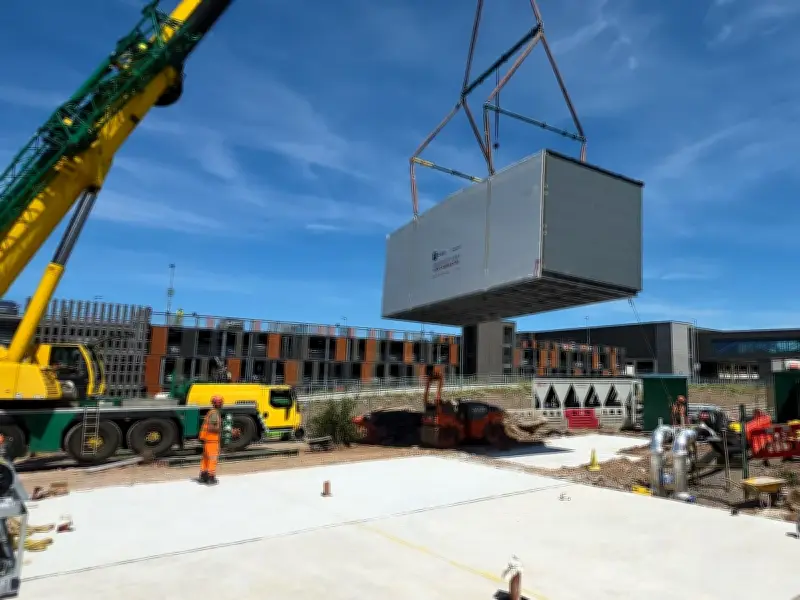
The four steel-framed modules were lifted into position - near the Hampton by Hilton hotel and terminal building - by a 200-tonne crane, with the full building erected over two days.
Hannah Pollard, head of sustainability at Bristol Airport, said it was "incredible" to see the energy centre being lifted into position. "Although a modular design, it’s a complex build and another major milestone for Bristol Airport," she said.
Removing Gas Boilers
Later in the year, Bristol Airport will install pipework leading from the energy centre through the terminal basement into the air handling units. Bristol Airport says its investment means it will be one of the first in the UK to remove gas boilers and move to a renewable energy solution for heating and cooling.
Since March, specialist teams have been working at the airport laying new underground pipes that will transport energy and connect to the heating and cooling system via the terminal basement.
Technical Details and Carbon Savings
The plant room facility contains the pump sets, pipework and valves, which will control the flow of heated and chilled water and manage the overall heating system.
Swapping gas boilers for air source heat pumps will involve 22 air source heat pumps and one electric boiler, which will provide extra heating and cooling capacity during peak demand periods, Bristol Airport said.
According to the airport, the transition will save around 625 tonnes of CO2 annually - the equivalent of taking 135 passenger vehicles off the road for a year.
Existing Heat Pumps
Bristol Airport already has heat pumps in place, which are used at Lulsgate House and Aviation House where staff are based, as well as the Silver Zone car park reception, the car rental building, the Western walkway and air traffic control tower.