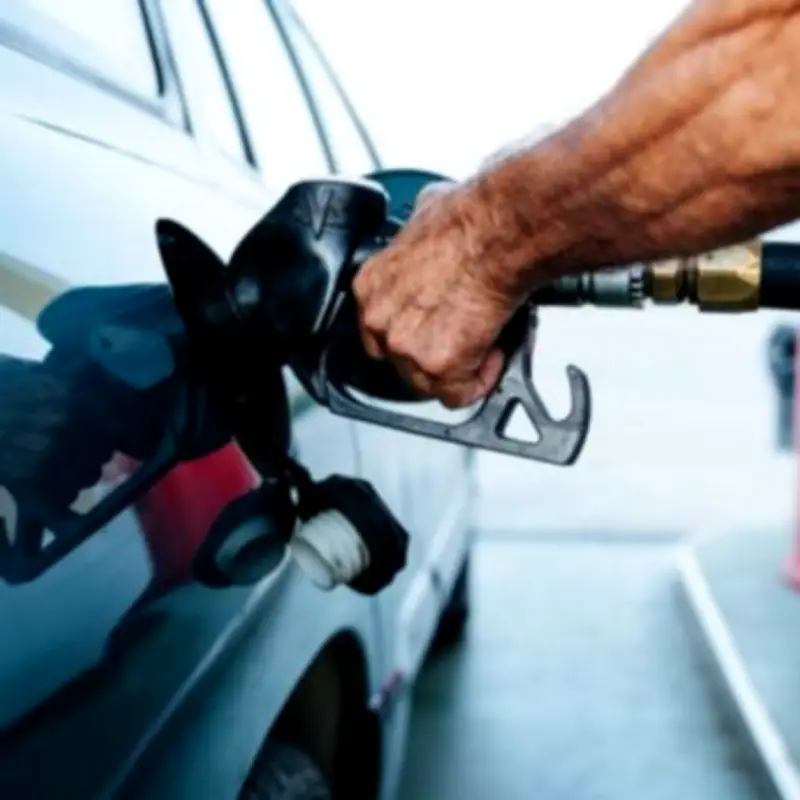
The Organisation for Economic Co-operation and Development has issued a warning that rural areas in the United Kingdom are at risk of diesel shortages if the ongoing conflict in Iran continues.
In its latest assessment, the OECD stated: 'Localised shortages of diesel could weigh on activity, especially in rural areas.' The organisation also highlighted that low stocks of jet fuel create risks for high-value trade sectors, including the pharmaceutical industry and tourism.
The warning comes as the Bank of England navigates the economic impact of the Middle East crisis. The Bank expects to look through the energy price shock in 2026, as the surge in imported inflation is considered transitory and growing slack in the labour market moderates domestic price pressures.
Bank of England Governor's Remarks
Andrew Bailey, Governor of the Bank of England, addressed the situation, saying: 'Given the context of softness in the real economy and uncertainty around the scale and duration of the shock, tolerating temporarily above-target inflation to provide some support for the real economy is an appropriate way to approach the trade-off.'
Bailey acknowledged that it is tolerable for inflation to remain above the Bank's 2 percent target during the current crisis. However, he cautioned that this stance would change if a more permanent increase in prices begins to take effect.
'We have to monitor the situation in the Middle East and how it affects the UK economy and inflation very closely and adjust policy as required,' Bailey added.
He noted that the Bank has effectively tightened policy, stating: 'I was quite clear that I thought we probably would cut rates once or twice this year. That's off the table. So we've had about a 1 percentage point increase in the cost of new five-year fixed-rate mortgages. And that is obviously a tightening of financial conditions.'
Government Response
Labour Party Chancellor Rachel Reeves commented: 'The conflict in the Middle East poses a significant challenge to the world economy. Despite this, the OECD now expects UK inflation to be lower and growth higher than previously thought. We have the right economic plan, and changing course would put that progress at risk, with families and businesses paying the price.'