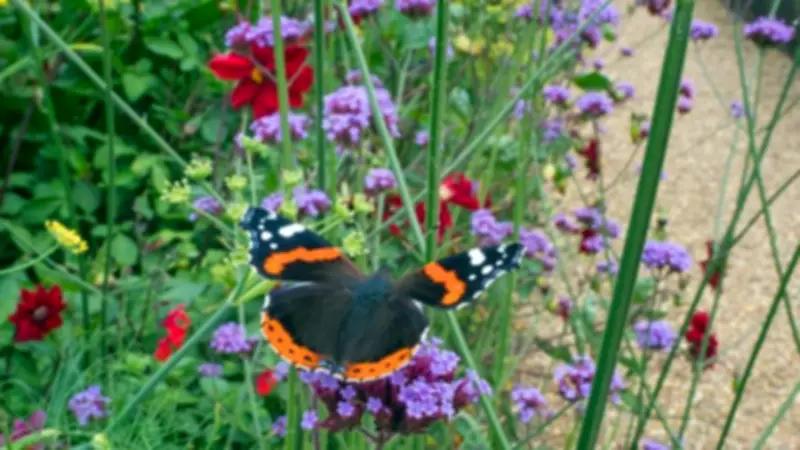
When gardens come alive in summer, it's easy to focus on the splash of petals or the texture of leaves. But it's the bees, butterflies, hoverflies, and beetles that keep our natural world spinning. While warm weather may bring insects out in droves, experts say we should still select pollinator-friendly plants to boost populations.
"The general consensus is that there is a decline of pollinators," says Josie Stuart from the Royal Horticultural Society. Beneficial insects face severe threats from habitat loss, pesticide use, and climate change, but gardeners can do their bit to help. Intentionally filling your garden with nectar- and pollen-rich plants increases biodiversity, boosts vegetable yields, and creates a vibrant, buzzing sanctuary.
Garden Wildlife Tips
Don't trim hedges in June, urges a gardening expert. The RHS and Wildlife Trusts want your help to save 'magical moths'. It's not long until Insect Week, run by the Royal Entomological Society, which celebrates what biologist EO Wilson called 'the little things that run the world'. In the meantime, PA's Hannah Stephenson has shared a list of summer plants to attract pollinators, whether you have acres of garden, a small growing patch, a window box, or a collection of patio pots.

1. Yarrow (Achillea millefolium)
This native perennial wildflower supports more than 100 species of insects and tolerates dry soils and drought conditions. It produces delicate feathery foliage and long-lasting flat heads of usually white flowers. It does spread rapidly via a deep fibrous root system and creeping rhizomes. Yarrow is ideal for cottage and wildlife garden schemes.
2. Honeysuckle (Lonicera)
This wonderfully fragrant climber fills your garden with scent and acts as a magnet for bees, butterflies, and moths. As blooms fade, many types yield berries for the birds. It's easy to grow and thrives in most soils, in sun or partial shade.
3. Aster (Michaelmas daisy)
The single daisy flowers of this perennial offer late-season colour and valuable nectar as summer draws to a close. They prefer moisture-retentive soil in full sun but cope with light shade. For a long flowering season, try the blue Aster x frikartii 'Mönch', while butterflies love Aster amellus 'King George'. Michaelmas daisies are a vital source of nectar in late summer.
4. Ice plant (Hylotelephium spectabile)
Formerly known as Sedum spectabile, these butterfly-friendly perennials produce flat clusters of nectar-rich blooms in a wide range of colours. Thanks to their fleshy leaves, they tolerate drought and favour lighter soil in full sun, where flowerheads emerge on upright stems from late summer through autumn. Move over buddleia — there's a new butterfly bush in town.
5. Plume thistle (Cirsium rivulare 'Atropurpureum')
These pretty ornamentals bear deep purple thistles on long leafless stems, which come up through spiny dark green foliage. They are a magnet for bees and other beneficial insects and go well in mixed borders among ornamental grasses. They thrive in moist but well-drained soil in sun or partial shade. Good plant partners include other summer-flowering wildflowers like monarda and valerian.
6. Verbena bonariensis
These perfect tall border plants have airy, slender stems reaching up to 2m in height. They produce tightly packed clusters of lilac-purple flowers that prove irresistible to butterflies and bees. They thrive in moderately fertile, moist but well-drained soil in a sheltered, sunny position.
7. Nepeta (catmint)
It's not just cats that adore nepeta — so do bees and butterflies. Usually in varying shades of blue, although white varieties exist, this perennial makes wonderful flowering groundcover through June. Cut it back and you may get intermittent flushes of flowers until autumn. Nepeta flourishes in full sun with well-drained soil. Catnip looks good fringing gravel paths with Alchemilla mollis.

8. Coneflower (Echinacea purpurea)
These striking upright prairie plants are prized for their large, daisy-like flowerheads on stiff branching stems, in shades of purple with a darker conical central disk. They're eye-catching in borders from mid-summer to autumn and also make good cut flowers. Coneflowers do best in sun and are not fussy about soil as long as it's not too dry. Echinacea petals bend down to make the central disk more prominent.
9. Scabious
The pin cushion-like flowers in tones of lavender, pink, and occasionally white perch atop slender stems, drawing in plenty of insects. Ideal for the front of borders or containers in a sunny, sheltered spot. Regular deadheading can keep them flowering right through to early autumn.