
National Lottery Awards £382,852 to Preserve Burial Ground Heritage Across Wales
The heritage of burial grounds throughout Wales has received a significant boost with a £382,852 grant from The National Lottery Heritage Fund. This funding, awarded under the Places of Worship strategic initiative, will support the Hafanau Heddwch (Havens of Peace) project, led by the national burial ground heritage charity Caring for God’s Acre in partnership with the Church in Wales.
Protecting Precious and Threatened Heritage Sites
Burial grounds in Wales encompass some of the most outstanding, precious, and threatened heritage in the country. These sites range from small medieval rural churchyards to large Victorian city cemeteries, spanning diverse cultures, religions, and centuries. However, this heritage is increasingly at risk, prompting the need for proactive conservation efforts.
The Hafanau Heddwch project aims to transform how burial ground heritage is secured for future generations by encouraging community volunteers to take an active role in caring for these special places. Over a two-year development phase, with plans for an additional five years of delivery if successful, the project will undertake six pilot initiatives involving more than 50 burial grounds across Wales.
Safeguarding Wildlife, Built Heritage, and Social History
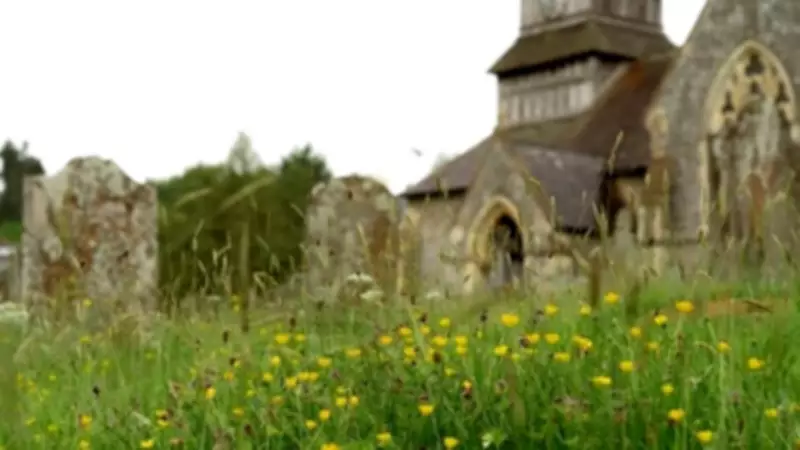
The project focuses on safeguarding and showcasing the rich biodiversity, built heritage, and social history contained within these burial grounds. This includes preserving headstones, monuments, wildflowers, ancient trees, and historical records that document the lives of past communities. Many burial grounds serve as vital havens for wildlife, hosting species that were once common across Wales, such as fragments of rare unimproved meadows.
Mature and veteran trees provide essential food, shelter, and nesting sites for birds, while supporting invertebrates that form the base of local food chains. Stone walls and monuments create habitats for amphibians, reptiles, small mammals, and various plant species like ferns, mosses, and liverworts. Notably, Welsh churchyards are home to over half of the ancient, veteran, and notable yew trees in the UK, representing a globally important population.
Community Engagement and Environmental Benefits
With proper intervention, these heritage hotspots can become central to local nature recovery efforts while offering freely accessible, peaceful, and interesting green spaces for residents and visitors. The project also aligns with the Church in Wales’ Net Zero Strategic Approach, contributing to broader environmental goals.
Andrew White, director for Wales at The National Lottery Heritage Fund, emphasized the project's impact: "Hafanau Heddwch will help protect and celebrate the rich heritage found within burial grounds across Wales. Thanks to National Lottery players, this project will empower communities to care for these special places, safeguard their natural and historic features, and create new opportunities for people to connect with the stories they hold for generations to come."
Historical Insights and Future Collaboration
Burial grounds offer tangible glimpses into the past, revealing how people lived, worked, and how communities evolved over centuries, including patterns of migration and immigration. The built heritage, from ancient stone walls to later slate and stone headstones, showcases the skill of craftspeople and changing styles across time.
Alex Glanville, Church in Wales director of property strategy, commented: "Our 1,200 churchyards across Wales are precious places for communities and nature. They tell the stories of the lives of many Welsh people and host important plants and animals. We are excited about this project as it should enable even better care of these places through wider engagement with people and environment-focused management."
Mick Clifton, Hafanau Heddwch project manager, added: "This project is open to all burial ground and cemetery managers, owners, and volunteers throughout Wales of any denomination or none. For more information or to become involved, please contact me at mick@cfga.org.uk."