
Major Clean-Up Underway in Birmingham's Notorious Train Station Tunnel
Work has commenced to clean the significant pedestrian route connecting New Street and Moor Street stations in Birmingham. This initiative follows widespread public complaints about the deteriorating condition of St Martins Queensway tunnel, which had become a focal point of community frustration.
Public Outcry Sparks Immediate Action
Residents expressed anger when informed that substantial improvements to the tunnel were scheduled for 2029. The passage had gained notoriety for accumulating hypodermic needles, urine puddles, and offensive graffiti, creating an unsafe environment for commuters and families alike.
Birmingham City Council acknowledged ongoing concerns about the tunnel, which is managed by Hammerson, the company responsible for the Bullring and Grand Central developments. Council representatives indicated awareness of the issues but pointed to a three-year timeline for comprehensive transformation.
Local residents voiced their dissatisfaction through various channels. "This tunnel has been a disgrace for years," commented one website user, while another added, "Gotta wait three years, it's a joke." The public sentiment highlighted growing impatience with the perceived delay in addressing basic maintenance problems.
Journalism Catalyzes Change
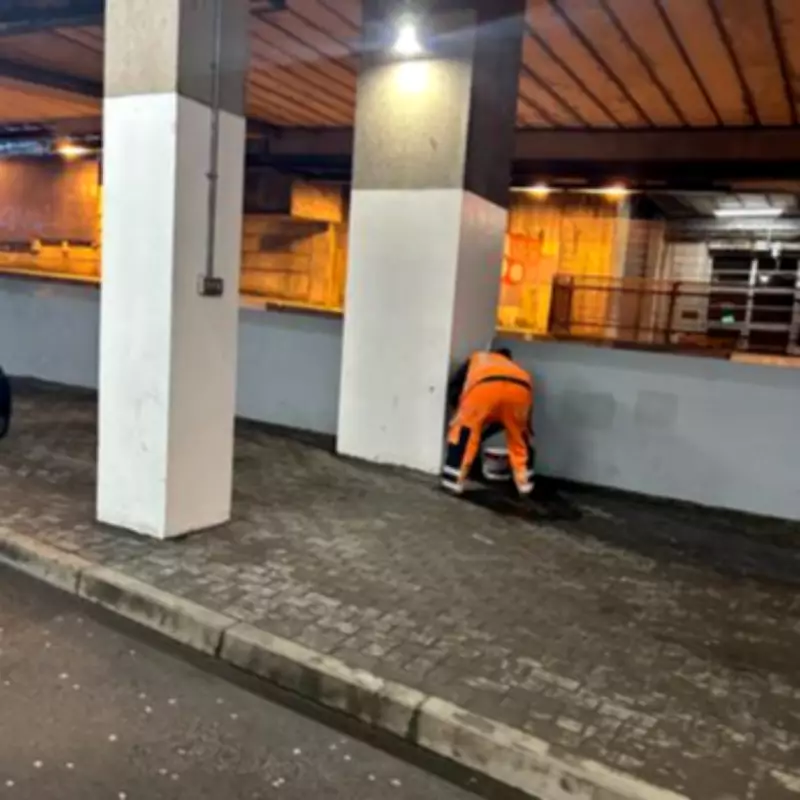
Following extensive coverage of the tunnel's condition across multiple media platforms, including social media discussions reaching tens of thousands of people, a curious development occurred. Clean-up crews suddenly appeared at the site, equipped with power washers and paint supplies to address the accumulated grime and graffiti.
One observer noted, "There's litter pickers down there today. The power of local journalism, eh?" sending photographic evidence of the unexpected clean-up operation. The BBC subsequently produced its own coverage of the situation, amplifying the issue further.
Another commuter reported, "I was walking through this morning and took some pictures as there seems to be some clean up efforts going on." The images showed workers actively scrubbing walls and painting over offensive markings, suggesting a more immediate response than originally indicated.
The Broader Impact of Local Reporting
This incident demonstrates a fundamental truth about community journalism: when local media highlight problems that residents know to be wrong, change often follows. Sometimes these changes are subtle improvements to public spaces, while other times they involve more significant safety enhancements or policy adjustments.
Journalists in Birmingham have historically played crucial roles in advocating for community improvements, from requesting better city center lighting following tragic incidents to investigating housing conditions and product safety concerns. The consistent thread is media's ability to ask difficult questions and push for accountability.
There's a reason people threaten to "go to the papers" when they witness injustice—local journalists consistently show up and pursue uncomfortable truths. This function remains essential whether addressing individual resident concerns or larger systemic issues affecting the entire community.
Sustaining Independent Local Journalism
Recently, BirminghamLive announced new premium offerings that allow readers to directly support their newsroom operations. Editor Graeme Brown explained, "One thing we're told a lot is that people want independent journalism without distractions from ads. We are listening."
While most stories remain accessible to all readers, deeper investigations and comprehensive reporting that require significant resources may receive community-supported funding. This model helps sustain journalism's fundamental functions: ensuring justice is visible, holding power accountable, entertaining audiences, empowering communities, and driving positive change.
At a time of uncertainty and division, local journalism's role becomes increasingly crucial. Whether the tunnel maintains its improved condition or regresses remains to be seen, but the mechanism for reporting problems persists. Residents with concerns can contact journalists who adhere to ethical reporting standards while protecting sources when necessary.
The news desk email remains constantly monitored, ensuring stories reach appropriate journalists with relevant experience or proven records of effecting positive change. This system has operated for 150 years with no plans to discontinue, supported by community engagement and commitment to Birmingham's wellbeing.