

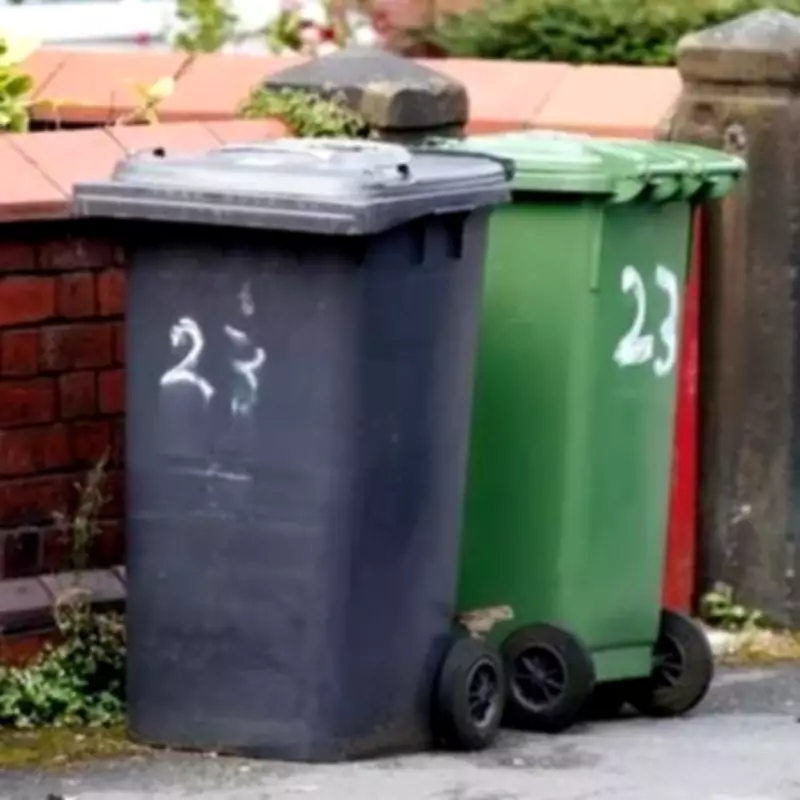
New National Rules: £80 Fines for Food Waste in Wheelie Bins from April
New national regulations have come into effect across England, prohibiting households from placing food waste in their standard wheelie bins. The rules officially started on March 31, though enforcement timelines vary by local council.
Under these regulations, residents could face £80 fines for incorrectly disposing of food waste in general rubbish bins. This marks a significant shift in waste management policies aimed at improving environmental standards nationwide.
Staggered Implementation Across Councils
The rules are being rolled out at different times across the country because many councils were not prepared for the March 31 deadline. Households should watch for letters from their local authorities detailing when the new measures will specifically apply to them.

In most cases, food waste must now be separated from general rubbish and placed in a designated food waste caddy for weekly collection. This change represents the most visible adjustment for many households, particularly where separate food waste collections were not previously in place.
Expert Insights on the New Requirements
Graham Flynn, a waste management expert at Anenta, explained: "All local authorities in England must collect the following materials separately for recycling: paper and cardboard, plastic packaging, metal packaging such as tins and cans, glass bottles and jars, and food waste collected separately from general waste."
He noted that while some councils allow mixed recycling that is sorted later at disposal sites, food waste must always be collected separately. Flynn advised residents to check their local council's website for specific guidelines on accepted materials in their area.
Additional Recycling Changes and Household Impact
The new rules also require more specific separation of recycling materials, which could present challenges for some households. Matthew Harwood, a home insurance expert at Confused.com, commented: "Households will be expected to get used to these new rules as they roll out, with waste now split into separate categories including general waste, food waste, dry mixed recycling, and paper and cardboard."
Harwood emphasized the importance of proper food waste management, warning that incorrect storage or disposal can quickly attract pests like rats, mice, and insects. Some councils may adjust bin arrangements or collection frequencies to align with the new national standards.
The overarching goal of these regulations is to enhance environmental protection by reducing contamination in recycling streams and promoting more sustainable waste handling practices across England.

