Urban Fox Numbers Soar Across Birmingham Neighborhoods
Birmingham residents are encountering urban foxes at unprecedented rates, with two major factors driving the population surge: the ongoing bin strike and HS2 construction displacement. What was once an occasional wildlife sighting has become a regular occurrence in many neighborhoods, particularly in areas like Kingshurst and Castle Vale.
Bin Strike Creates Fox Feast
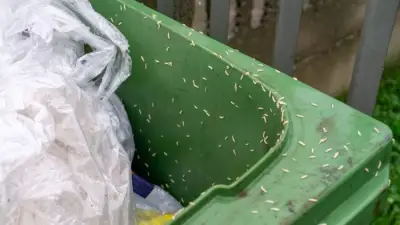
The year-long bin strike has inadvertently created a banquet for Birmingham's fox population. Overflowing black bin liners and discarded food parcels provide easily accessible meals for the opportunistic animals. The situation has become so pronounced that residents who previously never spotted foxes now report regular sightings in their gardens and streets.
Eddie Jones of The Fox Rescuers charity confirms the trend: "People who have never seen foxes in Kingshurst are now seeing them regularly. Of the 120-odd calls received last year about injured foxes, 20 percent came from Kingshurst alone."

HS2 Construction Forces Fox Migration
While the bin strike provides abundant food, HS2 construction work has displaced numerous foxes from their natural habitats. These displaced animals have congregated in suburban areas like Kingshurst, which has earned the unofficial title of Birmingham's urban fox capital. The high-speed rail project has essentially created refugee foxes seeking new territories within the city.
The charity's recent recruitment of 10 new volunteers suggests the fox population continues to grow, though official data confirming a direct link between the bin strike and population boom remains unavailable.
Health Risks and Urban Challenges
Increased congregation in areas with easy food access raises health concerns for the fox population. Mange, a skin disease caused by parasitic mites, remains widespread in Birmingham's fox community. While the disease requires physical contact to spread and poses minimal risk to domestic dogs, it represents a significant welfare issue for the urban foxes themselves.
Paul McDonald of Fox Rescuers urges residents to resist feeding the animals: "People encourage them, throw food at them and that makes them bolder. They approach people and that doesn't always end well." Foxes can become dependent on garden scraps, suffering when well-meaning residents go on holiday and the food supply disappears.
Harsh Urban Reality
Despite the apparent abundance of food, urban foxes face numerous challenges in Birmingham. Their average life expectancy stands at just two years, compared to three years for rural foxes. January proves particularly dangerous as mating season prompts risky road crossings, with many animals killed by vehicles.
Eddie Jones explains the seasonal danger: "Foxes are not thinking about road safety during mating season. The vixens are only in season once a year for three days, so they take risks and are frequently injured by cars."
Conservation Efforts and Public Awareness
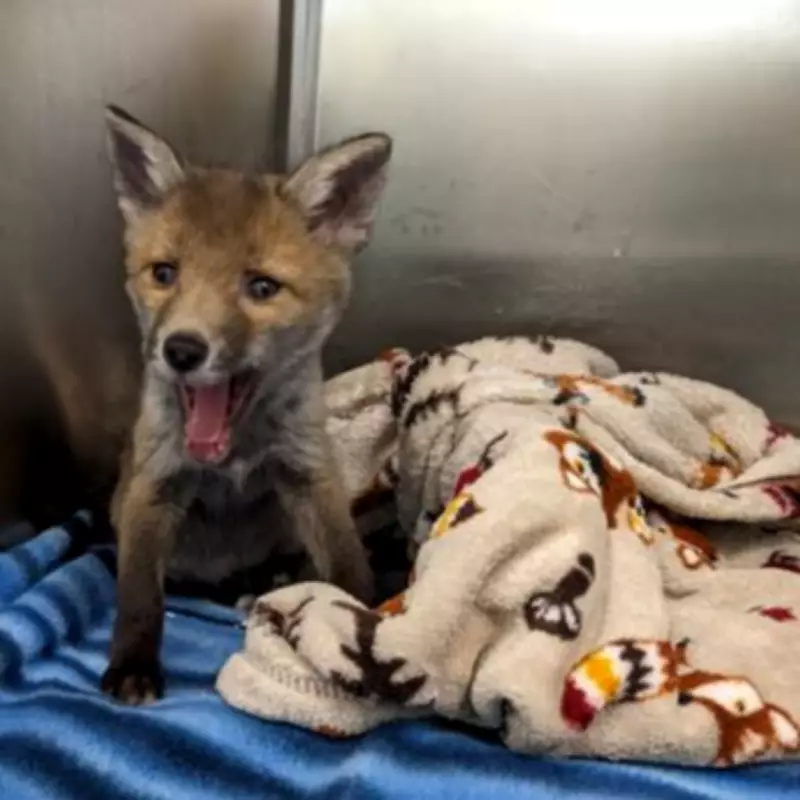
The 73-year-old former hunt saboteur from Mile Oak, Tamworth, has dedicated six years to fox rescue work in the Birmingham area. His experiences reveal the difficult reality of urban fox conservation, with only one in ten road accident victims surviving. However, abandoned cubs nursed at the charity's Cheshire center show much better recovery rates before being released back into suitable habitats.
Recent awareness campaigns have highlighted ongoing threats to foxes beyond urban environments. In February, the League Against Cruel Sports placed 648 fake bloody foxes in Victoria Square to protest illegal hunting activities reported since the general election.
Emma Slawinski, chief executive of the organization, stated: "The government isn't keeping its promises, and the dumped foxes in Birmingham demonstrate the scale of illegality that authorities are failing to address."
As Birmingham's urban fox population adapts to changing city conditions, conservationists emphasize the importance of maintaining appropriate boundaries while ensuring the animals' welfare in an increasingly urbanized environment.