Sefton Council Launches Campaign to Protect Coastal Wildlife from Dogs
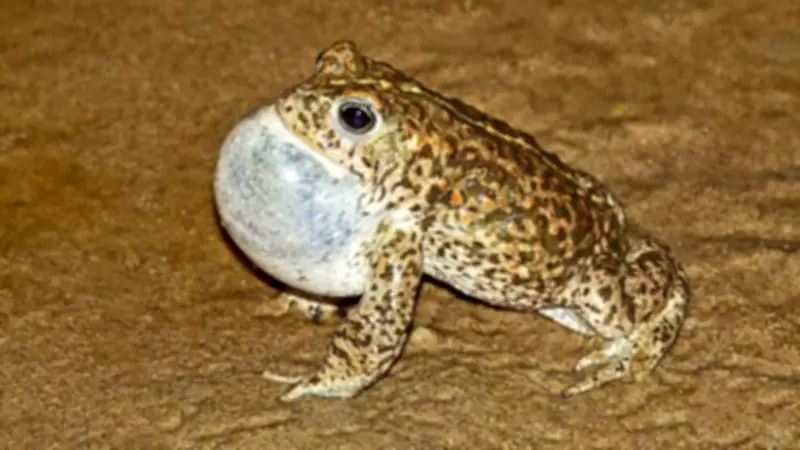
As the rare Natterjack Toads emerge from hibernation and begin spawning along the Sefton Coast, local authorities are issuing an urgent appeal to dog walkers. The council emphasizes that keeping dogs out of pools and water bodies is absolutely critical for the survival of this endangered species.
The Devastating Impact of Dogs on Fragile Ecosystems
When dogs enter coastal water bodies, they cause multiple forms of destruction that threaten delicate ecosystems. They disturb insect larvae and other wildlife, destroy spawn strings, and wash vulnerable tadpoles onto banks where they quickly perish. Furthermore, flea treatments containing powerful insecticides can poison the water and devastate entire food chains.
"Dogs are welcome on the coastline, but their impact can be difficult to spot," explained a council spokesperson. "That's why we're appealing to dog owners to exercise their pets responsibly. This is vital if Natterjacks, which are found in just a handful of sites across the UK, are going to breed successfully."

The 'Take The Lead' Campaign and Partnership Efforts
Sefton Council will roll out a comprehensive "Take The Lead" campaign to educate the public about how responsible dog ownership benefits all life on the Sefton Coast, from the smallest organisms to larger wildlife. This initiative is supported by the Sefton Coast Landscape Partnership Board, whose members include Green Sefton, Natural England, National Trust, and the RSPB.
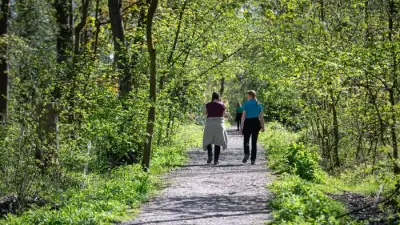
The campaign comes at a crucial time, as a significant increase in dog ownership since the COVID-19 pandemic has made the impact on fragile habitats increasingly problematic. The initiative focuses on providing dog owners and walkers with the knowledge needed to protect the areas where they exercise their pets, while also stressing the importance of picking up dog fouling.
Threats to Livestock and Ground-Nesting Birds
In recent years, grazing livestock has suffered injuries and fatalities due to dog attacks along the coast. Updated coastal Public Space Protection Orders now require dogs to be kept on leads within conservation grazing enclosures. While authorities prefer to work in partnership with the public to promote understanding of the risks posed by out-of-control dogs, enforcement measures are in place for those who refuse to act reasonably.
The negative effects of irresponsible dog behavior have gained national recognition through the RSPB's "Give Birds A Chance" campaign. Over half of England's most vulnerable breeding birds nest on or near the ground, making them particularly susceptible to disturbance from people and dogs.
"Disturbance can make parent birds abandon the nest, which can cause eggs to cool and unprotected chicks to die," explained wildlife experts. "It can be difficult to see a camouflaged parent bird and its nest, which is why it is vital to keep dogs under control."
The Plight of Skylarks and Saltmarsh Birds
If you enjoy hearing Skylarks sing along the coast, keeping pets under control is essential. Disturbance by dogs and other factors has caused breeding success for this special species to decline steeply. Imagine the Sefton Coast without the song of the Skylark—this could become reality sooner than expected if current disturbance levels continue.
Birds nesting on saltmarshes, including those in the Ribble Estuary, already face pressures from rising sea levels and predation. Disturbance from people and dogs roaming off leads presents an additional, significant risk for these vulnerable creatures. These new initiatives, combined with the existing Green Sefton "Give Birds A Break" campaign, highlight the scale of the problem facing wildlife and wild places, while demonstrating what everyone can do to make a positive difference.
The council emphasizes that responsible dog walking isn't about restricting access, but about ensuring that both people and wildlife can continue to enjoy the beautiful Sefton Coast for generations to come.