Large Tortoiseshell Butterfly Returns to England After 30-Year Absence
A butterfly species declared extinct for three decades has been recorded across several counties in southern England, sparking excitement among conservationists. Recent sightings indicate the Large Tortoiseshell is appearing with increasing frequency after years of sporadic reports, suggesting a potential comeback for this garden favourite.
Confirmed Sightings Across Southern England
Experts from Butterfly Conservation have verified photographic evidence of the species in Kent, Hampshire, Sussex, Dorset, Cornwall, and the Isle of Wight. These observations occurred within the last month as the insects emerged from their winter dormancy period. The charity suggests these new sightings could lead to a significant change in the conservation status of this beautiful insect.
Officials indicate the butterfly might be removed from the list of extinct species in Great Britain, marking a remarkable conservation success story. Professor Richard Fox, head of science at Butterfly Conservation, expressed enthusiasm about the development.

"This is great news about a beautiful and charismatic butterfly," Professor Fox stated. "If the individuals that are being seen can survive and reproduce, then there's no downside to the large tortoiseshell coming back, and we can look at what we might be able to do to help it."
Species Identification and Historical Context
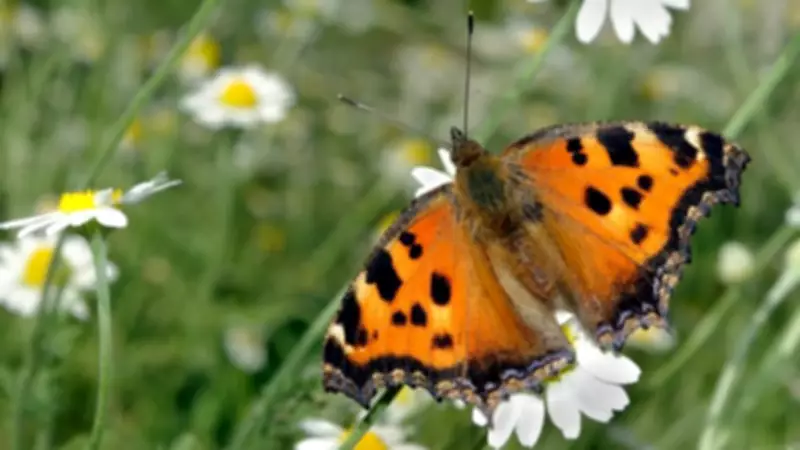
Scientifically known as Nymphalis polychloros, the Large Tortoiseshell is recognized by its substantial size and vibrant orange, black, and blue wing patterns. While it shares similarities with the more common Small Tortoiseshell, it possesses unique markings that clearly distinguish it from its relative.
The species was once widespread across England and Wales before its resident breeding population disappeared during the 1980s. Its decline is largely attributed to the devastating impact of Dutch elm disease, as the butterflies typically deposit their eggs on elm trees.
Despite periodic reports from enthusiasts over the years, there has been little evidence of a permanent breeding colony. However, a growing population in the Netherlands may be contributing to increased butterfly migration across the English Channel, potentially explaining these recent sightings.
Future Classification and Monitoring
The species is currently listed as 'regionally extinct' on the 2022 Red List, though this document noted potential new colonies in southern regions. This status is expected to be updated during the next official review of butterfly populations across Britain.
"I would imagine that, if things carry on with this trajectory, then when we compile our next GB Red List, we will not classify the Large Tortoiseshell as regionally extinct," Professor Fox commented. "I think it's reasonable to assume that the species is now established in several parts of Britain."
He continued: "When a new species colonises, there is a period of uncertainty: many species that colonise take off and become common but some remain highly localised and can even then be lost; at the moment, for Large Tortoiseshell, we're in that wait-and-see phase."
How Gardeners Can Support Butterfly Populations
Whether you're helping resident butterflies like the small tortoiseshell, welcoming the returning large variety, or boosting biodiversity in your garden, here are practical ways to create a wildlife sanctuary:

- Create a nectar café: Butterflies are sun-worshippers. Ensure your nectar-rich plants are in the sunniest, most sheltered part of the garden.
- Spring fuel: They emerge early from hibernation. Plant primroses, aubretia, and wallflowers to help pollinators refuel.
- Summer staples: Buddleia (the 'butterfly bush'), verbena bonariensis, and lavender are magnets for tortoiseshells and other species.
- Autumn preparation: Before hibernation, butterflies need sugar. Sedum (ice plant) and ivy (which flowers late) provide vital energy sources for surviving winter.
- The nettle patch strategy: The small tortoiseshell relies almost entirely on stinging nettles to lay its eggs. Place nettles in full sun to attract female butterflies.
- The cut-back technique: Cut half of your nettles down in June to encourage fresh, tender growth for second-generation caterpillars.
- Let the garden go wild: Leave an area of lawn to grow, or create a wildflower meadow to provide food and habitat for butterflies, moths, beetles, and other ground dwellers.
- Provide winter hotels: Tortoiseshells hibernate as adults in dark, cool, dry places like sheds, garages, or thick evergreen ivy. Avoid disturbing hibernating butterflies.
- Log piles: A simple pile of logs in a quiet corner provides natural overwintering spots for many species.
- Avoid pesticides: Research demonstrates that pesticide application significantly impacts garden biodiversity. The RHS recommends using non-chemical methods that support biodiversity and the wider environment.
This remarkable return of the Large Tortoiseshell butterfly offers hope for conservation efforts and demonstrates how dedicated environmental stewardship can help restore lost species to British gardens and countryside.