Spring's First Signs Emerge on Sefton Coast
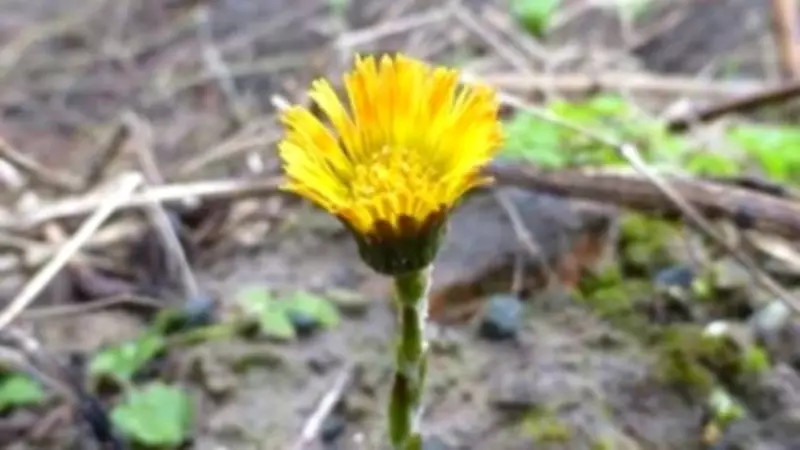
The arrival of mild spring weather has brought the first eye-catching yellow blooms of Coltsfoot and the stumbling flights of Buff-tailed Bumblebees to the Sefton Coast. These early harbingers of the season are particularly welcome after the winter's absence of bright colour, with more specialised dune flora set to appear in the coming weeks.
Identifying Coltsfoot and Early Blooms
Coltsfoot is often the first wildflower people notice, thanks to its startling yellow intensity that resembles Dandelions but should not be mistaken for them. The plant is easily identified by its scaly stem and can be found along the coast or on disturbed ground in urban areas. Interestingly, Coltsfoot gets its name from the large, hoof-shaped leaves that appear later in the year, long after the flowers have faded.
Soon, other specialised dune flora will begin to appear, requiring some detective work due to their tiny size. For example, Early Forget-Me-Not boasts a rich blue intensity despite flowers barely a millimetre in diameter. In the next month, Spring Vetch, Hairy Bittercress, and Rue-Leaved Saxifrage will become obvious. Common Whitlow Grass also bears tiny white flowers, though changing climate patterns have seen this species flowering since before Christmas, whereas it once bloomed in March and April.

Habitat Secrets for Discovering Dune Jewels
To increase your odds of discovering these tiny floral jewels in the vast dune system, consider the habitat. The hot dune environment in summer, raked by salt-heavy sea air, makes survival tough, so shelter and stable temperatures generally provide the best conditions. Warm, south-east facing slopes with sparse vegetation and open patches are ideal.
This habitat attracts not only spring annuals but also other species like Vernal Mining Bees and Sand Lizards. Observing such a bank from a sensible distance on a warm spring day usually reaps rewards. The winter grazing Longhorn cattle on Ainsdale and Birkdale Local Nature Reserve play a crucial role by breaking up banks to create open patches where spring flora can thrive, acting as giant lawnmowers for conservation.
Join a Guided Spring Walk
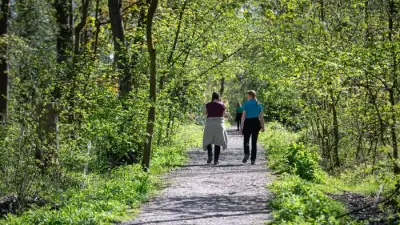
If you would like to join Green Sefton in looking for "Signs of Spring," a guided walk will be led on Ainsdale Local Nature Reserve on Thursday, March 19. The walk sets off from Ainsdale Discovery Centre (PR8 3JX) at 10am and lasts approximately three hours, concluding back at the centre. Participants will need warm, waterproof clothing and stout footwear.
Binoculars or cameras are welcome but not essential. Due to visits to sensitive sites, dogs cannot be accepted this time. To book a place, email john.dempsey@sefton.gov.uk. This event offers a unique opportunity to explore the coast's emerging spring beauty and learn about its delicate ecosystems.