UK Government Considers Ban on Breeding 67 Dog Breeds with Health Issues
The UK government is considering a significant ban on the breeding of 67 dog breeds that suffer due to selective breeding for appearance. This proposal comes from the all-party parliamentary group (APPG) for animal welfare, which has developed the Innate Health Assessment to address these concerns.
The Innate Health Assessment: A 10-Point Checklist
The Innate Health Assessment includes 10 visual health checks designed to determine whether a dog is healthy enough for breeding. If a dog passes eight or more of these checks, it is considered suitable for breeding under the new guidelines. Dogs that fail to meet this threshold should not be bred, according to the proposed regulations.
This checklist is already being utilized by some local councils when evaluating breeding license applications, indicating a growing acceptance of these standards within regulatory bodies.

Health Concerns Driving the Proposal
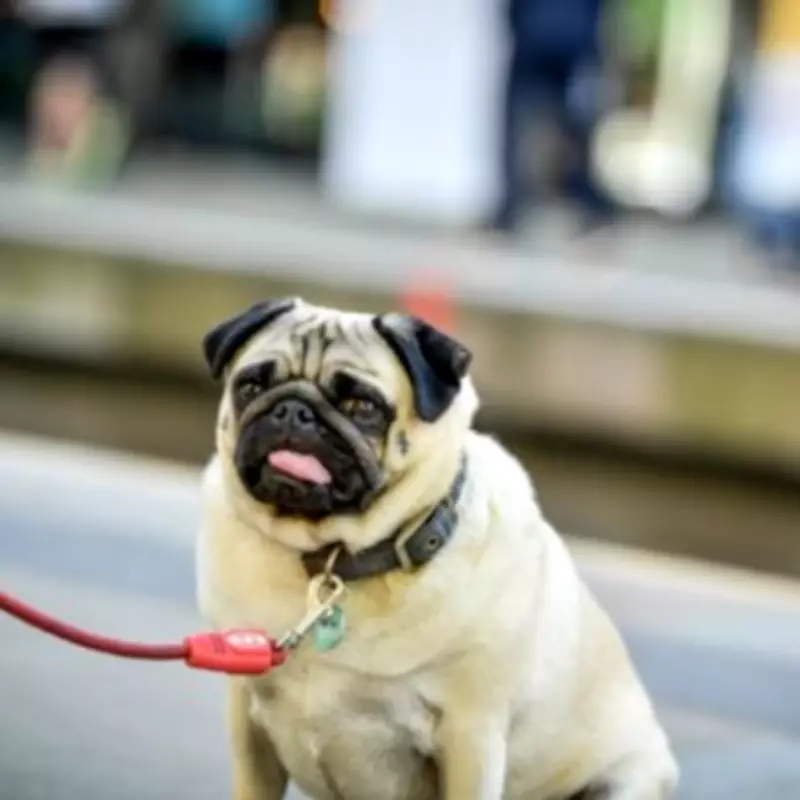
MPs have highlighted that thousands of dogs are struggling to function normally due to extreme physical features. These issues include breathing difficulties, mobility problems, and challenges with basic activities like eating and sleeping.
"Breathing difficulties can be extremely distressing for animals as it means every breath takes effort. The animal may feel like they’re suffocating," explains the RSPCA, emphasizing the severity of these health problems.
The MPs further stated, "Thousands of dogs are struggling to function normally, including being able to breathe with ease, run and play, and even sleep and eat owing to extreme features such as flat muzzles, short legs, excessive skin folds and many other traits."
Controversy and Support for the Ban
The proposed ban has sparked controversy among dog lovers. Beverley Cuddy, editor of Dogs Today and founder of the Union of Good Dog People, described the plans as "the most shocking thing to happen to dog lovers in this country. People will rightly be outraged at being told they can’t have the dogs they want."
However, supporters argue that the ban could lead to rapid improvements in dog health. Professor Dan O’Neill of the Royal Veterinary College (RVC) noted, "The dogs already exist within the breeds. They’d be mating the ones with the good innate health. You could literally do this within a decade."
The 10-Point Health Checklist
The Innate Health Assessment checklist includes the following criteria:
- The muzzle is at least one-third the length of their skull
- Their tail is long enough to wag
- They have a spine that can flex
- They have natural leg length (no dwarfism)
- They don’t have merle colouring (diluted colourings that create a marbled or patchwork effect)
- They have smooth skin (no folds)
- They have eyelids that don’t turn in and/or droop
- Their jaw closes correctly with no overbite or underbite
- They have straight legs (no bowing)
- Their eyes sit deeply in their socket (no bulging)
This comprehensive approach aims to ensure that only dogs with good innate health are bred, potentially transforming the welfare of future generations of dogs in the UK.