The Unseen Legacy of Victorian Curiosity in Britain's Woodlands
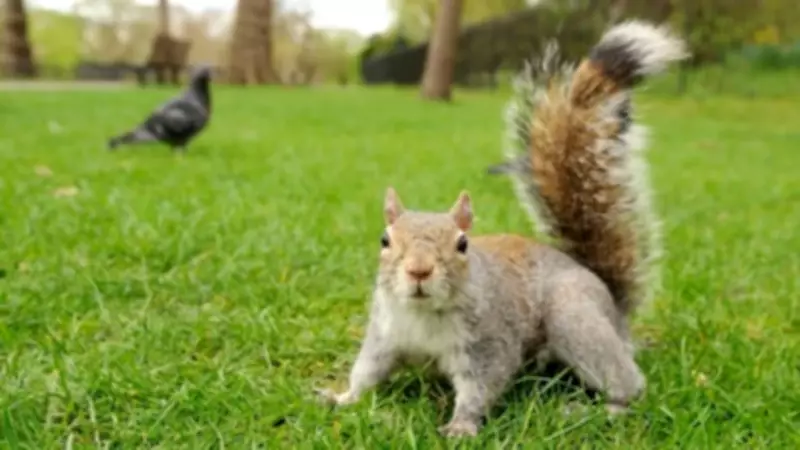
Grey squirrels have become an inseparable part of the British urban and suburban landscape, scurrying along fences and patrolling parks with characteristic confidence. Despite their familiar presence, these agile creatures are not native to Britain at all. Their story represents a fascinating Victorian drama rooted in empire, status, and ecological consequence that continues to shape Britain's wildlife today.
Victorian Prestige and Exotic Imports
To understand how a North American species became one of Britain's most recognisable mammals, we must journey back to the 19th century. At the height of Britain's imperial power, wealthy Victorians developed a pronounced appetite for exotic species. Landowners treated their estates as living museums, filling them with intriguing plants and animals as symbols of prestige and sophistication.
While wallabies grazed on manicured lawns and monkeys scrambled through ornamental trees, the unassuming grey squirrel joined this parade of curiosities. The most consequential introduction occurred in 1876 when a pair of grey squirrels were intentionally released in Henbury Park, Cheshire. The goal was simply to add life and interest to the landscape, but no one foresaw the profound ecological consequences that would follow.

Adaptive Invaders and Ecological Disruption
Unlike many exotic imports that failed to establish themselves, grey squirrels flourished spectacularly in their new environment. Britain's temperate climate suited them perfectly, and deciduous woodlands provided abundant acorns and nuts. As Manchester and other cities expanded during the Industrial Revolution, new parks and suburban gardens created ideal habitats for these adaptable creatures.
With few natural predators to control their numbers, grey squirrel populations spread rapidly across the country. Meanwhile, Britain's native red squirrel, which had been present since the last Ice Age, faced unprecedented competition. Common from the Highlands to Cornwall and deeply woven into woodland ecosystems, red squirrels proved no match for their transatlantic counterparts.
The Struggle for Survival
Grey squirrels possess several crucial advantages over their native cousins. They are larger, heavier, and significantly better at digesting acorns - a vital advantage in Britain's broadleaf woodlands. Gradually, red squirrels were pushed into shrinking pockets of coniferous woodland where greys struggle to find sufficient high-energy food.
The squirrel pox virus brought an even greater threat to red squirrel populations. Carried by grey squirrels without symptoms, the virus proves devastating to red squirrels, often causing death within just two weeks of infection. Once numbering in the millions across Britain, red squirrel populations have dwindled to approximately 287,000 individuals, earning them official endangered status in Britain.
Beyond Competition: Economic and Environmental Impact
The impact of grey squirrels extends far beyond direct competition with native species. Each spring and summer, they strip bark from young trees to feed on sap, weakening trunks and leaving them vulnerable to disease and structural failure. The economic toll of this damage is significant, estimated at around £37 million annually.
In 2021, the Royal Forestry Society identified grey squirrels as the single greatest threat to Britain's broadleaf trees. Yet when a grey squirrel scurries across a garden fence, it hardly appears villainous. These animals did not cross the Atlantic by choice but arrived as part of a Victorian fashion trend. What followed was not malice but remarkable adaptability to new environments.
Conservation Efforts and Looking Forward
One hundred fifty years after their introduction, Britain continues to live with the consequences of Victorian curiosity. Conservation organisations like the Lancashire Wildlife Trust have established recovery networks dedicated to protecting and restoring red squirrel populations. These initiatives rely on public participation through monitoring programs and habitat restoration efforts.

Next time a grey squirrel scampers past, consider the remarkable story behind that flash of silver fur. It began on a Victorian estate not far from Manchester with a small release that would ultimately reshape Britain's landscapes for generations. The ongoing conservation work represents our collective effort to restore ecological balance and protect Britain's native wildlife heritage for future generations.